
 0333 335 5172
 request@qeeper.co.uk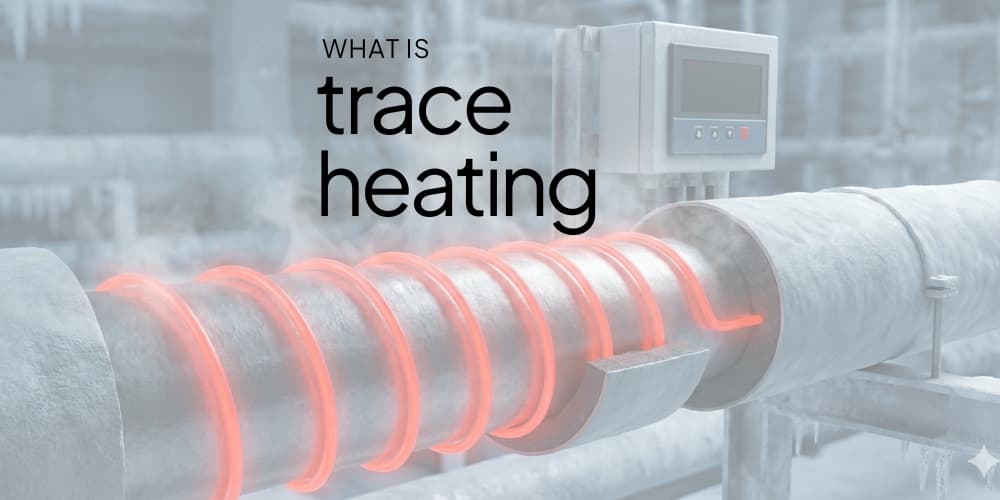


Trace heating uses electric heating cables to stop pipes from freezing and maintain water flow during cold spells. It’s particularly relevant for older London homes with exposed pipework, loft conversions, or outbuildings where insulation alone won’t cut it. When temperatures drop below zero, unprotected pipes can freeze, burst, and cause thousands of pounds in water damage. This guide explains how trace heating works, where it’s most useful, and when it’s worth fitting to protect your property. If you need expert advice on frost protection, our heating & gas and plumbing services teams can assess your needs.
Trace heating refers to electric heating cables applied directly to pipes or surfaces to maintain temperature. The cables run alongside (or wrap around) the pipe, delivering controlled warmth that prevents freezing.
The main purpose is frost protection. Secondary uses include maintaining specific temperatures for process systems in commercial settings—keeping liquids flowing at the right temperature for production or storage.
You’ll commonly find trace heating fitted on external water pipes, storage tanks, roof gutters, and any pipework in unheated spaces like garages or lofts. Heat Trace Ltd notes it’s particularly popular in properties with vulnerable pipe runs that can’t be easily insulated or relocated.

Electricity passes through a resistive heating cable that warms the surface it’s attached to. The cable generates heat continuously or on demand, depending on the system type.
Insulation wrapped around both the pipe and heating cable keeps warmth where it’s needed. Without insulation, heat escapes and running costs rise unnecessarily.
Thermostats or smart sensors regulate heat output. Basic systems use simple on/off thermostats that activate when temperatures drop. More advanced versions feature self-regulating cables that automatically increase or decrease heat based on the pipe’s actual temperature. According to BSRIA (Building Services Research and Information Association), self-regulating systems offer better efficiency and reduce the risk of overheating.
| Application | Purpose | Typical Setting |
| External water pipes | Prevent freezing | Gardens, garages, roof spaces |
| Tanks & vessels | Maintain liquid temperature | Commercial plant rooms |
| Gutters & downpipes | Stop ice build-up | Roof edges |
| Frost-protection loops | Safeguard supply lines | Basements or unheated areas |
In homes, you’ll most often see trace heating on outdoor taps, pipes running through unheated lofts, or supply lines to garden annexes and converted garages. Commercial properties use it more extensively for process control and winter protection across larger installations.
Stops frozen or burst pipes in winter. When temperatures plummet, trace heating keeps water flowing. Frozen pipes expand, crack, and burst—leading to flooding, structural damage, and expensive repairs.
Reduces repair costs and water damage. A burst pipe can cause thousands of pounds in damage before you even notice. Trace heating prevents this entirely.
Keeps outbuildings or loft systems working reliably. Garden offices, granny annexes, and loft conversions with their own water supply need frost protection. Trace heating means these spaces stay usable year-round.
Low, controlled running cost. Modern self-regulating systems use electricity only when needed. The Energy Saving Trust confirms that properly installed trace heating costs significantly less than repairing burst pipes or dealing with water damage.
Constant-wattage cables
These deliver steady heat along their full length, regardless of ambient temperature. They’re simple, reliable, and ideal for straightforward layouts where consistent heat output suits the application.
The downside? They can waste energy if conditions don’t require full output. You’ll need careful thermostat control to prevent overheating and keep running costs reasonable.
Self-regulating cables
These automatically vary heat output based on the pipe’s temperature. Cold spots get more heat; warmer sections receive less. This responsive behaviour improves efficiency and prevents overheating.
Self-regulating cables are the preferred choice for homes. According to nVent Raychem, they’re safer, more efficient, and better suited to varying conditions you find in residential properties.
| Feature | Trace Heating | Pipe Insulation |
| Primary Function | Actively warms pipes | Slows heat loss |
| Best For | Exposed or critical water lines | Indoor or mild conditions |
| Power Use | Requires electricity | None |
| Protection Level | Works in sub-zero temperatures | Limited in severe frost |
| Installation Cost | Higher upfront, low running cost | Low upfront, passive protection |
Insulation alone works well for indoor pipes or mild climates. It slows heat loss but provides no active protection. In severe frost or exposed locations, insulation can’t prevent freezing.
Trace heating actively warms pipes, working even when temperatures stay below zero for extended periods. It costs more upfront but offers reliable protection where insulation fails.
The best approach? Combine both. Trace heating provides warmth whilst insulation keeps that heat where it belongs. You get maximum protection with minimum running costs.

Trace heating must be fitted by a qualified electrician or heating engineer. Electrical work needs to comply with BS 7671 (UK Wiring Regulations), and moisture-resistant insulation is required to prevent damage.
Incorrect installation causes problems. Cables might overheat, thermostats fail to regulate properly, or insulation trap moisture against pipes. Professional installation prevents these issues and maximises efficiency.
Your installer will assess pipe type, exposure level, and required temperature range. They’ll specify the right cable type, position sensors correctly, and test everything before signing off the work. Electrical Safety First emphasises that DIY installation of trace heating carries serious risks—both electrical hazards and ineffective frost protection.
Inspect your trace heating annually before winter arrives. Test that power’s reaching the cables and check insulation for damage, moisture, or degradation.
Replace worn sensors or damaged cables immediately. Faulty components won’t protect your pipes, and you won’t know there’s a problem until temperatures drop and pipes freeze.
Combine trace heating checks with your plumbing or boiler servicing for comprehensive winter protection. An engineer can inspect everything at once, saving separate callout fees. Our plumbing services team can coordinate these checks during routine maintenance visits.
Homes with external or loft pipework. If water pipes run through unheated spaces, they’re vulnerable. Trace heating provides reliable protection.
Landlord or vacant properties left unheated in winter. Empty properties don’t have heating running regularly. Trace heating protects pipes even when the boiler’s off.
Commercial or multi-unit sites with frost-risk pipe runs. Larger properties often have complex pipework in exposed locations. CIBSE (Chartered Institution of Building Services Engineers) recommends trace heating for any critical supply lines where freezing would cause significant disruption or damage.
Even if you’ve never had frozen pipes, one severe winter can change that. Climate patterns shift, and what worked previously might not protect you in future cold snaps.
Trace heating provides dependable frost protection for London properties, reducing winter risks and avoiding costly repairs. It’s not always necessary, but where pipes are exposed or vulnerable, it’s the most reliable solution available.
Correct installation and routine checks mean your system lasts years with minimal running costs. Don’t wait until pipes freeze and burst—by then, the damage is done.
Contact Qeeper’s heating engineers for tailored advice on whether trace heating suits your property and what system would work best.