
 0333 335 5172
 request@qeeper.co.uk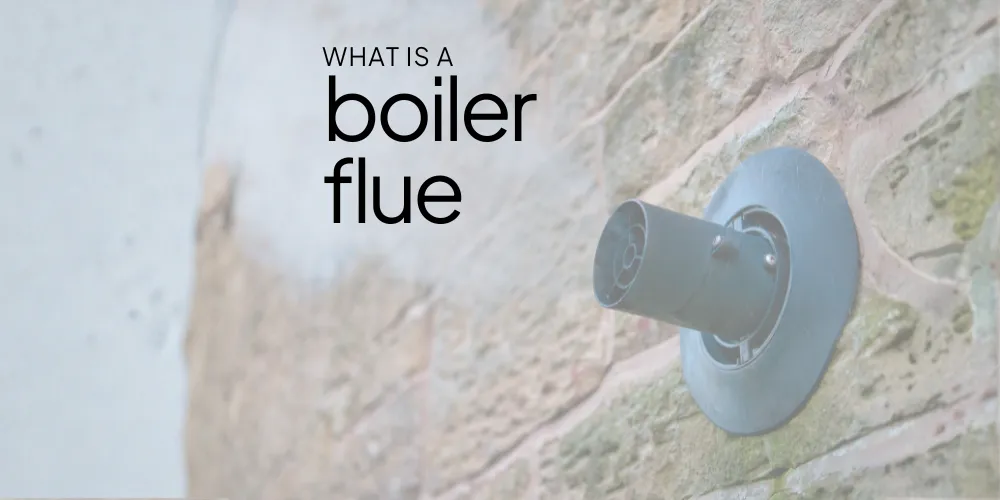


A boiler flue is a pipe or duct that carries waste gases from your boiler to the outside air. Every gas and oil boiler produces exhaust gases when it burns fuel to heat your home and hot water. The flue safely vents these gases outside, keeping them away from the rooms you live in.
You’ll usually see the flue terminal—the visible end of the pipe—on an external wall or on your roof. It’s often white or silver and may produce a light plume of steam when your heating is running. The flue is a safety-critical part of your heating system, and it must be properly installed and maintained.
How boilers create waste gases
When your boiler burns gas or oil, it produces heat along with combustion gases. These gases include carbon dioxide, water vapour, and traces of other substances. The boiler extracts as much heat as possible from the burning fuel, but the waste gases still need somewhere to go.
Modern condensing boilers cool these gases to extract extra heat, which is why you see steam from the flue terminal. Older non-condensing boilers release hotter gases that are less visible. Either way, the gases must leave your home safely.
Why those gases must be vented outside
Combustion gases are harmful if they accumulate indoors. Carbon monoxide—a colourless, odourless gas produced during incomplete combustion—is particularly dangerous. Even small amounts can cause serious health problems.
The flue creates a safe pathway from the boiler to outside air. It’s designed to maintain a natural or mechanical flow that continuously removes gases as they form. Without a properly working flue, those gases would leak into your home.
The safety role flues play in UK homes
A correctly fitted and maintained flue protects you and your family from carbon monoxide poisoning and other combustion gas exposure. It’s one of the most important safety features in your heating system, alongside the boiler’s internal safety controls.
Regular checks and servicing keep the flue working as it should. Problems with flues are rare, but when they occur, they can be serious. That’s why qualified engineers always inspect the flue during annual boiler services.
Carbon monoxide risks if gases are not removed properly
Carbon monoxide (CO) is produced when fuel doesn’t burn completely. A blocked, damaged, or incorrectly installed flue can prevent proper gas removal, allowing CO to build up inside your home. You can’t see, smell, or taste carbon monoxide, which makes it especially dangerous.
Symptoms of CO exposure include headaches, dizziness, nausea, and confusion. Severe exposure can be fatal. A working flue removes combustion gases before they reach dangerous levels, but only if it’s in good condition.
How a correctly fitted flue protects occupants
Professional installation places the flue terminal away from windows, doors, and areas where people spend time. The design and positioning stop gases from re-entering your home or affecting neighbours. Internal seals and joints prevent leaks along the flue’s length.
Modern room-sealed boilers draw air from outside and expel gases through the same flue system, creating a fully sealed combustion process. This design adds another layer of safety because the boiler never uses air from inside your home.
Why flue condition is checked during routine servicing
Heating engineers inspect flues annually as part of standard boiler servicing. They check for blockages, damage, secure fittings, and proper termination. They’ll look at the flue’s internal condition and test for gas leaks or improper flow.
These checks catch problems early, often before they cause boiler breakdowns or safety issues. A flue that looked fine six months ago might have been damaged by weather, blocked by debris, or loosened by vibration. Annual inspection keeps you protected.
Horizontal Boiler Flues
Horizontal flues run directly through an external wall behind the boiler. They’re the most common type in UK homes because they’re straightforward to install and suit most property layouts.
You’ll see the terminal on the outside wall as a round or rectangular outlet. Steam often comes from this terminal when the boiler is running, especially in cold weather. Horizontal flues work well in properties where the boiler sits on an external wall with clear space outside.
Vertical Boiler Flues
Vertical flues rise from the boiler up through the property and exit through the roof. They’re used when the boiler is located on an internal wall or where horizontal flue installation isn’t possible.
You’ll typically see vertical flues in flats, properties with solid walls that are difficult to penetrate, or homes where space outside the boiler location is restricted. The flue terminal appears on the roof, often with a cowl or guard to prevent rain and debris entering.
Room-Sealed (Concentric) Flues
Modern condensing boilers usually have room-sealed flues with a concentric design. The flue has two pipes—one inside the other. The inner pipe carries exhaust gases out, while the outer pipe draws fresh air in for combustion.
This design means the boiler doesn’t use air from inside your home. Everything happens in a sealed system, which improves efficiency and safety. You won’t feel draughts near the boiler, and there’s no risk of combustion gases mixing with room air even if internal seals fail.
External wall flues
Most flues exit through the wall immediately behind the boiler. The terminal sits on the outside wall, often about 30cm to 60cm above or beside the boiler position. You’ll usually spot it easily—a white, cream, or silver pipe end that may have a guard or cowl.
The terminal needs clear space around it. You shouldn’t see it positioned too close to windows, doors, air bricks, or neighbouring properties. Proper positioning is required by regulations and checked during installation.
Roof flues
Flues that can’t go through a wall go up through the roof instead. The visible terminal sits above the roofline, secured with brackets or supports. Roof flues are longer and more complex to install, but they’re necessary in certain property layouts.
In flats and apartments, vertical flues sometimes exit through a shared flue system or chimney structure. Your boiler connects to a vertical duct that serves multiple properties.
How flue position relates to boiler location
The flue always takes the shortest practical route from the boiler to outside air. If your boiler is on an external wall, expect a short horizontal flue. Boilers on internal walls or in cupboards usually need vertical or extended horizontal flues.
The flue’s path must avoid contact with combustible materials and stay clear of electrical cables or other services. Installers plan the route carefully to meet safety regulations while keeping the flue as short as possible.
Why flue placement is regulated
Building Regulations and Gas Safety (Installation and Use) Regulations set strict rules for flue installation. These regulations protect you, your neighbours, and anyone near the property from combustion gases and carbon monoxide risks.
Flues must be positioned so gases disperse safely into the atmosphere without entering buildings, windows, or ventilation openings. The regulations specify minimum distances from various features and require professional installation by Gas Safe registered engineers.
Distance from windows, doors, and boundaries
Flue terminals need clear space around them. They must sit far enough from windows and doors so gases can’t be drawn back into the property through openings. Similar rules apply to air bricks, other flues, and boundaries with neighbouring properties.
The exact distances vary depending on flue type and boiler model, but the principle is always the same—keep combustion gases away from areas where people breathe or where they could enter buildings. Your installer calculates these distances during survey and installation.
Why professional installation and inspection matters
Only Gas Safe registered engineers can legally install, modify, or repair boiler flues. They understand the regulations, know how to assess each property’s unique layout, and have the tools to test flue performance after installation.
DIY flue work is illegal and extremely dangerous. Even moving a flue terminal a few centimetres can create safety risks or breach regulations. Professional installation and annual checks keep your system legal, safe, and working properly.

- Blocked or obstructed flues
Bird nests, leaves, or debris can block flue terminals, especially vertical roof flues. Ice can form in cold weather, though modern flues are designed to minimise this risk. A blocked flue prevents gases escaping, triggering safety lockouts or, in severe cases, allowing dangerous gases to leak.
Signs include the boiler shutting down frequently, sooting around the terminal, or visible blockages at the terminal opening. Never attempt to clear blockages yourself—call a heating engineer. - Visible damage or movement
Flues can be damaged by impact, corrosion, or weathering. You might notice cracks, loose sections, rust on metal flues, or the terminal pulled away from the wall. Wind, building movement, or poor initial installation can cause these problems.
Damaged flues may leak gases along their length rather than venting them safely outside. Any visible damage needs professional inspection, even if the boiler seems to be working normally. - Condensation issues in colder months
Condensing boilers produce acidic condensate that normally drains away through a separate condensate pipe. Sometimes condensate collects inside the flue, especially in cold weather. You might see water dripping from the terminal or notice ice forming. - A little moisture is normal, but excessive condensation or icicles suggest drainage problems. The flue might not be installed at the correct angle, or condensate drains could be blocked. Have an engineer check it before the problem damages the flue or boiler.
Flue problems rarely improve on their own. A small blockage becomes a complete obstruction. A minor crack worsens with temperature changes. The longer you wait, the more serious the issue—and the higher the risk to your safety.
Most flue problems are straightforward to fix if caught early. Delayed repairs can lead to boiler damage, costly replacement parts, or safety risks that could have been avoided.
Gas and oil boilers
Every gas and oil boiler produces combustion gases and therefore needs a flue. There are no exceptions. Whether it’s a combi, system, or conventional boiler, if it burns fuel, it must have a properly installed flue to remove waste gases safely.
Electric boilers don’t burn fuel, so they produce no combustion gases and need no flue. If you have electric heating, you won’t have a visible flue terminal on your property.
Older boilers using chimneys
Before modern flue systems became standard, boilers often vented through existing chimneys. Some older properties still have this setup, particularly with back boilers fitted behind fireplaces.
Chimney venting works on the same principle—removing combustion gases to outside air—but through a different structure. These systems still need checking and cleaning, though the maintenance approach differs from modern flues.
Why most modern boilers rely on flues rather than chimneys
Modern boilers are more efficient and produce different exhaust characteristics. Condensing boilers create cooler gases that don’t create enough natural draught for traditional chimneys. Purpose-designed flues handle these gases better and offer more flexible installation options.
Flues are also easier to inspect, maintain, and replace than chimneys. They’re designed specifically for boiler exhaust, whereas chimneys were built for open fires and need adaptation for boiler use.
When flues are typically checked
Your flue gets inspected during every annual boiler service. The engineer examines the visible flue sections, checks internal seals, tests gas flow, and looks for blockages or damage. They’ll use smoke or pressure tests to confirm proper operation.
Flue checks also happen during boiler installation, major repairs, or if you report heating problems. Any work on your boiler includes flue inspection as standard practice.
The role of annual boiler servicing
Regular servicing catches flue problems early. An engineer spots developing issues—loose fixings, early corrosion, small blockages—before they cause breakdowns or safety concerns. They’ll clean terminals, check seals, and verify the flue still meets regulations.
Annual servicing is particularly important for landlords. Gas Safety regulations require landlords to arrange annual checks of all gas appliances and flues in rented properties.
How regular inspections help prevent issues
Consistent checks keep your flue working safely year after year. Problems that seem minor—a slightly loose bracket, a developing crack—can escalate quickly. Regular attention maintains the flue’s integrity and extends its working life.
Prevention is cheaper than repair. A servicing visit that spots and fixes a small issue costs far less than an emergency call-out when the boiler fails on the coldest night of winter.
Your boiler flue is a simple but essential safety feature that works quietly in the background throughout your home’s heating system. Proper installation, annual checks, and prompt attention to any concerns keep it working as it should for years.
Professional support is straightforward to arrange when you need it. Whether you’re having a new boiler fitted, concerned about your existing flue, or simply due for annual servicing, qualified engineers can inspect, maintain, and repair flues to keep your heating safe and reliable.