
 0333 335 5172
 request@qeeper.co.uk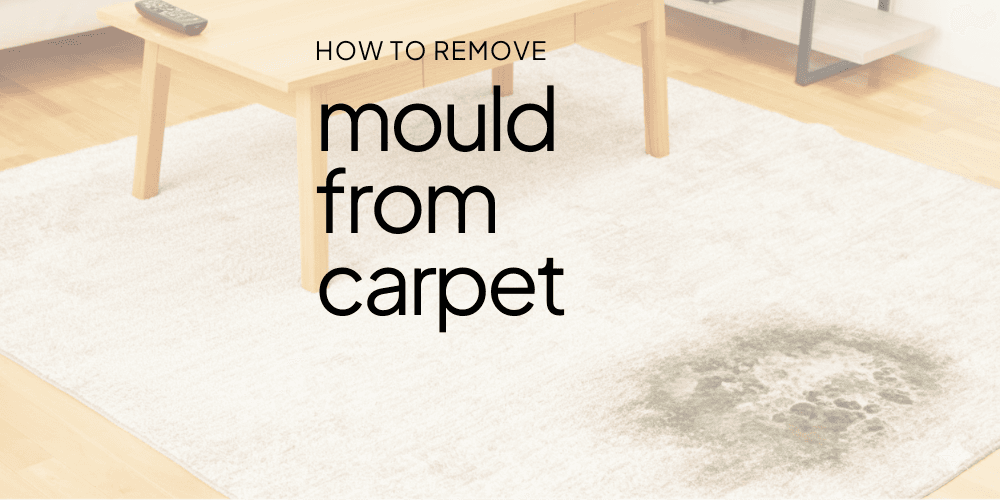


You walk into your living room and catch that unmistakable whiff. Musty. Damp. Definitely not the fresh scent you want greeting guests. Those dark patches creeping across your carpet aren’t just unsightly – they’re a proper nightmare waiting to happen.
Mould in carpets isn’t merely a cosmetic problem. It’s a health hazard that can trigger asthma attacks, cause allergic reactions, and make your home feel like a swamp. The spores spread faster than gossip in a small village, and they’ll feast on your carpet fibres until there’s nothing left worth saving.
But here’s the good news: you can fight back. This guide walks you through simple DIY methods, smart prevention tactics, and crucially – when it’s time to wave the white flag and call professional help.
Think of your carpet as a five-star resort for mould spores. It’s got everything they crave: warmth, darkness, and most importantly – moisture. When water gets trapped in those fibres, you’ve basically rolled out the red carpet for uninvited guests.
Common culprits include:
- Leaky pipes hiding under floorboards
- High humidity from cooking, showering, or breathing (yes, really!)
- Poor ventilation that lets moisture linger like a bad smell
- Drying clothes indoors on radiators or airers
- Spilt drinks that weren’t properly cleaned up
- Flooding or water damage that wasn’t fully dried
Early warning signs creep up quietly. You might notice a persistent musty odour that no amount of air freshener can mask. Dark spots appear like freckles on pale skin. Your allergies start playing up for no apparent reason. Trust your nose – if something smells off, investigate immediately.

Mould spores are tiny troublemakers. They’ll happily float through the air and settle in your lungs given half a chance. Protection isn’t optional – it’s essential.
Essential protective gear:
- Rubber gloves (preferably long ones that cover your wrists)
- Face mask or respirator (N95 minimum)
- Safety goggles to protect your eyes
- Old clothes you don’t mind binning afterwards
Open every window you can. Turn on extractor fans. Create a proper airflow through the space. Stagnant air is mould’s best mate – don’t give it that advantage.
Keep children and pets well away from the area whilst you work. Their smaller lungs are more vulnerable to spore irritation. Once you’ve finished and the carpet is bone dry, they can safely return.

Initial Clean-Up
Start with your vacuum cleaner – preferably one with a HEPA filter that actually captures those microscopic spores rather than just moving them around. No HEPA filter? A regular vacuum still helps, but you’ll need to dispose of the bag immediately afterwards.
Vacuum the affected area thoroughly. Don’t rush this bit. Those loose spores need removing before they become airborne and spread to clean areas. If the mould has formed a visible layer, gently brush it away with an old toothbrush first. Work slowly to avoid creating a spore cloud.
The Vinegar Solution Method
White vinegar deserves a place in every cleaning arsenal. It’s acidic enough to kill most mould species yet gentle enough not to damage carpet fibres.
Mix your solution:
- Equal parts white vinegar and water in a spray bottle
- Shake well before each use
Spray generously over the affected area. Don’t soak it – you want damp, not dripping wet. Let the solution sit for 10-15 minutes whilst the acid does its work. Then scrub gently with a clean cloth or soft brush.
Wipe away the loosened mould with a damp cloth, rinsing frequently in clean water. The vinegar smell will fade as it dries – promise.
Baking Soda: Nature’s Deodoriser
Baking soda works like a charm for stubborn odours and residual moisture. After treating with vinegar, sprinkle a generous layer over the entire affected area. Really go for it – you want the carpet looking like it’s been snowed on.
Leave it overnight. Seriously. Baking soda needs time to work its magic, absorbing lingering moisture and neutralising those musty smells that cling to carpet fibres like a persistent ex.
Come morning, vacuum thoroughly. You might need several passes to get all the powder out, especially from deep pile carpets.
Steam Cleaning and Commercial Products
Stubborn mould sometimes laughs in the face of home remedies. That’s when you bring out the heavy artillery.
Steam cleaners work brilliantly because mould can’t survive temperatures above 60°C. The heat kills spores whilst the suction removes dead material and excess moisture. Rent one from your local hardware store if you don’t own one.
Commercial anti-mould products line the shelves of every supermarket. They’re stronger than household remedies but require careful handling. Always spot-test in an inconspicuous area first. Some chemicals can bleach or damage carpet fibres permanently.
Follow label instructions religiously. More isn’t better – it’s just wasteful and potentially harmful.
Mould thrives in damp conditions. Leave even a hint of moisture behind and you’ll be fighting this battle again within weeks.
Speed up drying with:
- Fans positioned to blow air across the carpet surface
- Heaters to raise room temperature (but not so hot they damage fibres)
- Dehumidifiers to pull moisture from the air
- Open windows for natural airflow (weather permitting)
Check the underlay too. If water has soaked through to the padding beneath, surface drying isn’t enough. Press down on the carpet – if you feel squelching or see water appear, the underlay needs attention.
Heavily saturated underlay rarely recovers properly. Replacement might seem drastic, but it’s cheaper than dealing with recurring mould problems.
Smart homeowners tackle problems before they start. Mould prevention isn’t rocket science – it’s about controlling moisture and improving airflow.
Moisture control strategies:
- Fix leaky pipes immediately (not “when I get round to it”)
- Use bathroom and kitchen extractor fans religiously
- Wipe up spills straight away, then dry the area properly
- Keep indoor humidity below 60% with dehumidifiers if necessary
- Avoid drying clothes on radiators in carpeted rooms
Ventilation improvements:
- Open windows daily, even briefly in winter
- Install trickle vents if your home feels stuffy
- Consider mechanical ventilation systems for problem areas
- Move furniture occasionally to air carpet underneath
Regular maintenance:
- Vacuum weekly minimum (more for high-traffic areas)
- Professional deep clean annually
- Address damp patches immediately, however small

Sometimes you need professional intervention. Don’t feel defeated – recognising your limits shows wisdom, not weakness.
Call the professionals when:
- Mould covers more than a square metre
- The musty smell persists despite thorough cleaning
- You’re dealing with expensive Persian rugs or antique carpets
- Family members have asthma or severe allergies
- The problem keeps returning despite your best efforts
- Water damage was extensive or went unnoticed for days
Large mould infestations require specialist equipment and techniques. Professionals have industrial-grade steam cleaners, antimicrobial treatments, and crucially – experience dealing with stubborn cases.
Finding reliable help in London? Qeeper offers professional carpet cleaning services across the capital. Sometimes the peace of mind from professional treatment outweighs the DIY satisfaction.
Mould doesn’t have to spell disaster for your carpets. Act quickly when you spot those telltale signs. Armed with white vinegar, baking soda, and proper drying techniques, most household mould problems surrender without much fight.
Remember the golden rules: protect yourself first, clean thoroughly, dry completely, then prevent future problems by controlling moisture and improving ventilation.
Your carpet has served you well – with proper treatment and prevention, it’ll continue doing so for years to come. Mould doesn’t have to mean replacement. Treat it right, and keep your home fresh, safe, and properly liveable.