
 0333 335 5172
 request@qeeper.co.uk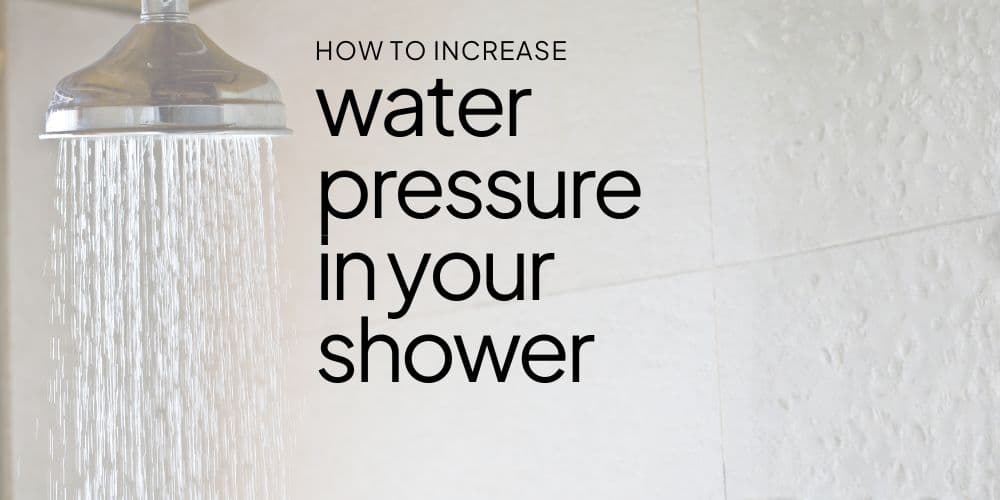


Low water pressure in your shower is typically caused by a gravity-fed system with insufficient height between the cold water tank and shower head, or by limescale buildup in older pipes. You can improve pressure by checking for blockages, upgrading your shower head, or installing a booster pump. This guide explains how to identify your system type and choose the right solution for your home.
Check Your Boiler and Water System Type
Before attempting any fixes, identify whether you have a combi boiler or gravity-fed system. Combi boilers heat water on demand and connect directly to the mains, providing consistent pressure. Gravity-fed systems store cold water in a loft tank and rely on height to create pressure—common in older UK homes and flats built before 2000.
If you have a combi boiler and low pressure persists, check the boiler’s pressure gauge (it should read between 1 and 1.5 bar). Consult your boiler manual or contact a Gas Safe Register engineer if pressure is low.
Clean the Shower Head and Remove Limescale
Limescale buildup restricts water flow, particularly in hard water areas like London and the South East. Remove your shower head and soak it in equal parts white vinegar and warm water for 30 minutes. Use an old toothbrush to scrub the nozzles, then rinse thoroughly.
For persistent blockages inside pipes, consider descaling products approved by WRAS (Water Regulations Advisory Scheme) or consult a plumber.
Install a Shower Pump for Gravity-Fed Systems
If you have a gravity-fed system and the cold water tank is less than 2 metres above your shower head, a booster pump will significantly improve pressure. Brands like Salamander Pumps and Grundfos offer reliable twin-impeller pumps suitable for UK homes.
Key considerations:
- Pumps must be installed by a qualified plumber
- Ensure your system has adequate water supply to support the pump
- Expect costs between £200–£500 for supply and installation
Check manufacturer guidelines and verify compatibility with your existing plumbing before purchasing.
Replace Your Shower Head with a High-Pressure Model
Low-pressure shower heads are designed to maximise flow even with weak water systems. Look for models with aerated nozzles or air-injection technology. Avoid “power showers” if you have a combi boiler—they’re designed specifically for gravity-fed systems.
Summary Table: Solutions by System Type
| System Type | Problem | Solution |
| Gravity-fed | Low tank height | Install booster pump |
| Gravity-fed | Limescale buildup | Clean shower head; descale pipes |
| Combi boiler | Low boiler pressure | Check pressure gauge; consult Gas Safe engineer |
| Either system | Poor shower head | Upgrade to low-pressure or aerated model |
Conclusion
Improving shower pressure often requires identifying your water system type first. For gravity-fed systems, a booster pump offers the most effective long-term solution, whilst combi boiler issues usually need professional attention. Start with simple fixes like descaling your shower head before investing in pumps or plumbing work. If pressure problems persist across multiple taps, contact your water supplier or a qualified plumber to inspect your home’s main supply.