
 0333 335 5172
 request@qeeper.co.uk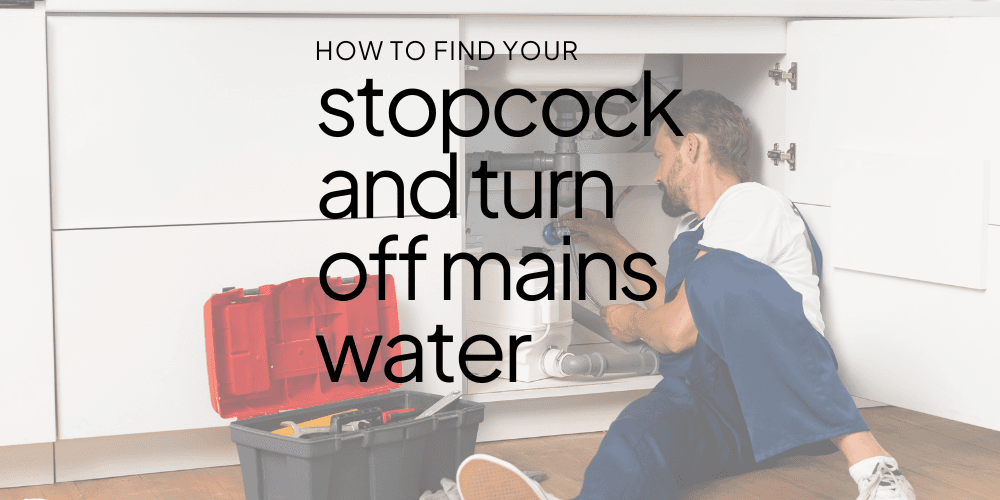


Your stopcock (also called a stop tap or stop valve) controls the mains water supply to your home and is typically located under the kitchen sink, in a cupboard beneath the stairs, or outside near your property boundary. In a plumbing emergency—such as a burst pipe or leaking appliance—you need to turn it clockwise until fully closed to stop water flow. Knowing its exact location before an emergency occurs can prevent significant water damage and reduce repair costs.
Check Under the Kitchen Sink First
The most common location for an internal stopcock in UK homes is inside the cupboard beneath the kitchen sink. Look for a valve on the rising main pipe—usually a blue or silver tap-style handle attached to a copper or plastic pipe entering from the floor or wall.
Turn the handle clockwise to close. If it’s stiff, avoid forcing it—apply penetrating oil like WD-40 and wait 10 minutes before trying again. A seized stopcock may require replacement by a plumber.
Look in Cupboards Under the Stairs or in the Hallway
In older properties and Victorian terraced houses, stopcocks are often positioned in understairs cupboards or utility spaces near the front of the home. Check low down on walls where the mains pipe enters the property—usually within one metre of the front door.
Some homes have the stopcock fitted behind access panels or wooden boards. Use a torch and check corners carefully, as pipes may be partially hidden.
Check Outside for a Boundary Stopcock
Many UK homes also have an external stopcock located in the pavement or garden, usually within a small covered chamber near your property boundary. This valve is controlled by your water supplier (Thames Water, United Utilities, Severn Trent, etc.) but can be accessed in emergencies.
You’ll need a stopcock key—available from Screwfix or Toolstation for under £10—to lift the cover and turn the valve. External stopcocks are typically used when internal valves fail or cannot be located quickly.
Test Your Stopcock Before an Emergency
Once located, test your stopcock by turning it clockwise until water stops flowing, then turn on a tap to confirm the supply has stopped. Turn the stopcock anticlockwise to restore water flow.
Important checks:
- Ensure everyone in your household knows the stopcock location
- Photograph the location and save it to your phone
- Label the valve clearly if it’s hidden in a cupboard
- Test the valve annually to prevent it seizing
If your stopcock doesn’t fully stop the water flow or feels loose, contact a Gas Safe Register plumber to inspect and replace it.
Summary Table: Common Stopcock Locations
| Location | Property Type | What to Look For |
| Under kitchen sink | Most modern homes | Valve on rising main pipe in cupboard |
| Under stairs | Older terraced houses | Low on wall near front door |
| Utility room/garage | Detached homes | Close to where mains pipe enters |
| Outside boundary box | All property types | Covered chamber in pavement or garden |
Conclusion
Locating your stopcock now will save critical time during a plumbing emergency. Most UK homes have an internal valve under the kitchen sink, but older properties may require checking cupboards or external boundary boxes. Test your stopcock annually and ensure it moves freely—seized valves can worsen flood damage when you need them most. If you cannot locate your stopcock or it fails to work, contact your water supplier immediately for assistance.