
 0333 335 5172
 request@qeeper.co.uk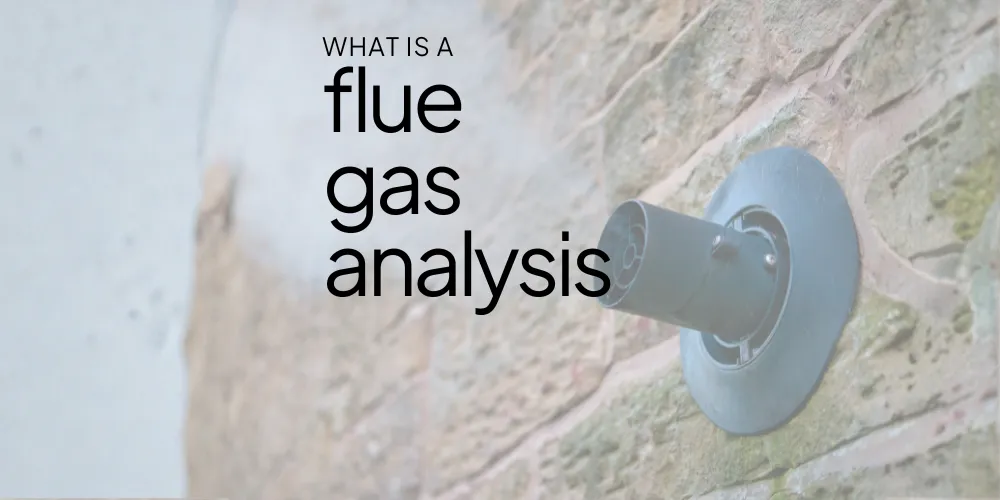


Flue gas analysis is a test that measures the gases coming out of your boiler’s flue. A heating engineer uses specialist equipment to check what’s in the exhaust gases your boiler produces when it burns fuel. The test shows whether your boiler is burning gas or oil correctly and safely.
The analysis takes just a few minutes during a boiler service or installation. Engineers insert a probe into the flue to collect a sample of the exhaust gases, and the analyser measures their composition. The results tell the engineer whether combustion is happening as it should or if adjustments are needed.
What flue gases are
When your boiler burns gas or oil to heat your home, it produces exhaust gases. These include carbon dioxide, water vapour, oxygen, and small amounts of other gases. The mix and proportions depend on how completely and efficiently the fuel is burning.
Perfect combustion produces mostly carbon dioxide and water vapour with very little else. Incomplete or inefficient combustion creates different ratios and may produce carbon monoxide—a dangerous gas that should never be present in significant amounts.
Why they are checked
Checking flue gases reveals how well your boiler is working. The gas composition shows whether the boiler is burning fuel efficiently, whether air supply is correct, and whether combustion is clean. Problems with fuel mixture, burner condition, or ventilation all show up in flue gas readings.
Engineers use these readings to spot issues before they become serious. Small adjustments based on flue gas analysis can improve efficiency, prevent breakdowns, and keep your boiler running safely.
How analysis helps confirm safe boiler operation
Safe boiler operation depends on complete combustion. When fuel burns properly, dangerous gases like carbon monoxide are kept to minimal levels. Flue gas analysis confirms this is happening by measuring exactly what’s coming out of the flue.
If readings show something’s wrong, the engineer can investigate further, make adjustments, or recommend repairs. The analysis provides objective evidence rather than relying on visual inspection alone.

- Identifying unsafe combustion
The most serious issue flue gas analysis can detect is incomplete combustion that produces carbon monoxide. High CO readings mean the boiler isn’t burning fuel properly—a safety concern that needs immediate attention. - Even moderate CO levels suggest the boiler needs adjustment or repair. Catching these issues during routine servicing prevents them developing into dangerous situations when you’re relying on your heating.
- Supporting safe removal of waste gases
Flue gas analysis confirms gases are being vented correctly through the flue. If readings suggest poor combustion or unusual gas composition, it might indicate flue problems—blockages, leaks, or incorrect installation—that affect how gases are removed from your home.
The test works alongside physical flue checks to give a complete picture of whether your boiler’s exhaust system is working as designed. - Helping boilers run as intended
Manufacturers design boilers to burn fuel at specific ratios for optimal performance. Flue gas analysis shows whether your boiler is achieving this. Deviations suggest something needs adjusting—gas pressure, air intake, burner condition, or other factors.
Keeping combustion balanced extends boiler life, maintains efficiency, and reduces wear on components. Regular analysis helps your boiler run the way it was meant to throughout its working life.
During boiler installation
Every new boiler installation should include flue gas analysis as part of commissioning. Engineers check the readings match manufacturer specifications before signing off the job. This confirms the boiler has been installed and set up correctly from day one.
The results get recorded in your benchmark certificate, establishing baseline readings for future comparison.
As part of routine boiler servicing
Most engineers carry out flue gas analysis during annual boiler services. It’s become standard practice, particularly with modern condensing boilers where efficient combustion is critical for performance.
The test takes minutes and provides valuable information about how your boiler is performing compared to previous years. Changes in readings can reveal developing problems even when the boiler seems to be working normally.
After certain repairs or adjustments
If an engineer has worked on your boiler’s burner, gas valve, or other components affecting combustion, they’ll run flue gas analysis afterwards to confirm everything is working correctly. Any work that could alter how the boiler burns fuel should be followed by testing.
This verification step prevents problems being introduced during repairs and gives confidence the boiler is safe to use.
Whether combustion is clean and balanced
The gas readings reveal whether your boiler is achieving clean, efficient combustion. Correct oxygen levels, appropriate carbon dioxide percentages, and minimal carbon monoxide all indicate the boiler is burning fuel as designed.
Imbalanced readings suggest issues with air supply, gas pressure, or burner condition. The specific pattern of readings helps engineers diagnose what’s causing the problem.
Early signs of issues
Changes in flue gas composition over time can reveal developing problems before they cause noticeable symptoms. A gradual increase in carbon monoxide levels or dropping combustion efficiency warns that servicing or repairs may be needed soon.
Early detection prevents small issues becoming expensive failures. Addressing a dirty burner based on flue gas readings is simpler and cheaper than dealing with a complete breakdown later.
How results guide further checks if needed
If flue gas analysis shows unexpected results, engineers know what to investigate next. High CO might prompt closer inspection of the heat exchanger or flue. Poor efficiency readings could lead to checking the burner or gas valve.
The analysis directs attention to the right areas, making diagnostic work more efficient and accurate.
Carbon monoxide awareness
Carbon monoxide is the most serious safety concern with any fuel-burning appliance. You can’t see, smell, or taste it, but it’s extremely dangerous. Flue gas analysis detects even small amounts of CO, allowing engineers to address problems before they become life-threatening.
Every home with a gas or oil boiler should have a carbon monoxide alarm, but flue gas analysis adds another layer of protection by identifying issues during professional servicing.
Why correct combustion matters indoors
Modern boilers are room-sealed—they draw air from outside and vent exhaust gases directly outdoors. But if something goes wrong with the flue or combustion process, gases could potentially enter your home. Correct combustion produces minimal dangerous gases to begin with.
Flue gas analysis confirms the combustion process is working safely, which reduces the risk of harmful gases being produced at all.
How professional checks reduce risk
Regular professional servicing with flue gas analysis catches safety issues reliably. DIY checks can’t measure gas composition or detect problems that aren’t visible. Engineers spot concerns early and take action before anyone is put at risk.
This professional oversight is particularly important for landlords who have legal responsibilities for gas safety in rental properties.
Efficient fuel use
Correct combustion means your boiler extracts maximum heat from the fuel it burns. Flue gas readings show combustion efficiency—how much of the fuel’s energy is being converted to heat rather than wasted through the flue.
Small improvements in efficiency add up over a heating season. A boiler running at 88% efficiency costs more to run than one at 92%, even though both seem to work fine on a day-to-day basis.
Consistent heating and hot water
Efficient combustion supports steady, reliable performance. When your boiler burns fuel correctly, you get consistent heat output and reliable hot water. Problems revealed by flue gas analysis often correspond with performance issues—longer heating times, lukewarm radiators, or variable hot water temperatures.
Addressing these problems restores the performance you should be getting from your boiler.
Long-term boiler care
Regular flue gas analysis as part of servicing helps maintain your boiler’s efficiency over its lifetime. Without it, gradual deterioration in combustion quality goes unnoticed. By the time you notice performance problems, the boiler may need significant repairs.
Catching and correcting small efficiency drops early keeps your boiler running well for longer.
Qualified engineers include flue gas analysis in servicing because it provides essential information about boiler performance and safety. The readings take just minutes to collect but reveal issues that hours of visual inspection might miss.
Engineers use the results to guide their work—deciding whether adjustments are needed, identifying which components to inspect more closely, and confirming the boiler is safe to continue operating.
Flue gas readings get noted in your service records and benchmark certificate. Many engineers provide printouts showing the exact measurements. These records establish a history of your boiler’s performance over time.
Comparing current readings with previous years helps spot gradual changes that might indicate developing problems.
Knowing your boiler has passed flue gas analysis provides reassurance it’s burning fuel safely and efficiently. For landlords, documented test results demonstrate thorough servicing and support compliance with gas safety responsibilities.
Property managers can show owners evidence that heating systems are being properly maintained, not just visually checked.
Flue gas analysis forms part of the thorough, professional servicing that keeps your boiler working safely and efficiently. The test provides objective information about combustion quality that visual checks alone can’t reveal, helping engineers maintain your heating system properly.
Regular servicing with flue gas analysis gives you confidence your boiler is burning fuel correctly, producing minimal dangerous gases, and operating as efficiently as it should. Qualified heating engineers handle these checks as routine parts of their work, recording results and addressing any concerns they find.