
 0333 335 5172
 request@qeeper.co.uk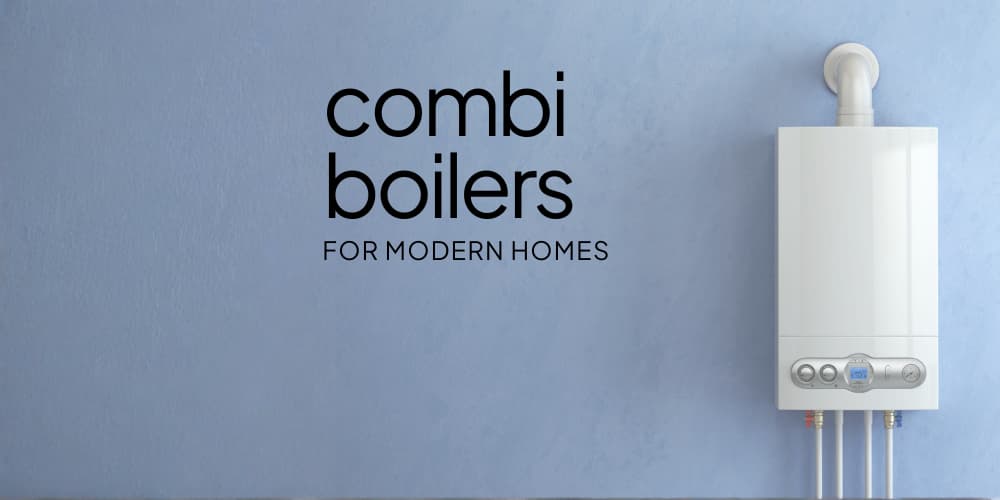


Combi boilers are the most popular heating system in UK homes—and for good reason. They’re compact, efficient, and provide heating and hot water without needing tanks or cylinders cluttering up your cupboards.
But they’re not perfect for every property. Understanding how combi boilers work and what they can (and can’t) handle helps you decide whether one suits your home.
Let’s walk through what combi boilers actually do, how they differ from other types, and whether yours is working as it should.
“Combi” is short for combination—these boilers combine your heating and hot water in one compact unit. You don’t need a separate hot water cylinder or cold water tank in the loft. Everything happens inside the boiler itself.
When you turn on a hot tap, the boiler heats cold water from the mains instantly as it flows through. For central heating, it pumps hot water around your radiators just like any other boiler type.
This all-in-one design makes combi boilers popular in flats, smaller houses, and properties where space matters. Over 70% of UK homes with gas central heating now use combi boilers.

Combi boilers heat water on demand rather than storing it. Turn on a hot tap and a flow sensor inside the boiler detects water movement. The boiler fires up, heats the cold mains water instantly as it passes through a heat exchanger, and delivers hot water to your tap.
Turn the tap off and the boiler stops heating water. There’s no cylinder keeping water hot all day, no storage, no waiting for a tank to refill and reheat.
For central heating, the boiler works differently. It heats water and pumps it around your radiators in a closed loop. That water stays in your heating system, circulating repeatedly rather than being used and replaced.
When you need hot water, the boiler prioritises that over heating—it switches from heating mode to hot water mode. This is why some people notice radiators cooling slightly when hot taps run, though modern combis minimise this effect.

Combi boilers offer several practical benefits that explain their popularity in UK homes.
Space-saving design. No hot water cylinder means you reclaim an entire airing cupboard. No loft tank means more loft storage. The boiler itself mounts on a wall, usually in the kitchen or a cupboard, taking up minimal space.
Energy efficiency. You only heat water you actually use. There’s no cylinder losing heat throughout the day, no energy wasted keeping stored water hot. Modern combi boilers achieve 90%+ efficiency, converting nearly all the gas they burn into heat.
Simple system layout. Fewer components mean fewer things that can go wrong. No cylinder, no loft tank, no additional pumps or valves. Installation is simpler and typically cheaper than system or conventional boilers.
Instant hot water. Turn on a tap and hot water flows within seconds. No waiting for a cylinder to heat up, no rationing hot water if the tank’s been emptied.
Lower installation costs. Combi boilers generally cost less to install than system boilers because there’s no cylinder work, less pipework, and simpler setup. This makes them attractive for new installations and replacements.
Despite their advantages, combi boilers have genuine limitations you should understand before choosing one.
Struggle with multiple hot water demands. Run two showers simultaneously and you’ll notice reduced pressure and temperature at both. The boiler can only heat so much water per minute, so multiple outlets split that capacity. Large households or properties with several bathrooms often find this frustrating.
Rely on mains water pressure. Your hot water flow depends entirely on your mains pressure. If your cold taps run slowly, your hot water will too. Properties with low mains pressure get disappointing performance from combi boilers.
Limited hot water flow rate. Even the best combi boilers deliver around 12–16 litres of hot water per minute. That’s fine for one person showering, but split across two outlets it becomes inadequate. System boilers with cylinders provide much higher flow rates.
Not ideal for bath-fillers. Filling a large bath takes longer with a combi than with a system boiler. You’re waiting for the boiler to heat water on demand rather than drawing from a pre-heated cylinder that delivers water faster.
No backup if the boiler fails. When a combi boiler breaks down, you immediately lose both heating and hot water. With a system boiler, you might have stored hot water in the cylinder to tide you over until an engineer arrives.
Deciding whether a combi boiler suits your home depends on property size, water usage, and household needs.
Perfect for: Small to medium flats, one or two-bedroom houses, properties with one bathroom, households with one or two people, homes where space matters, properties with good mains pressure.
Less suitable for: Larger family homes, properties with two or more bathrooms, households where multiple people need hot water simultaneously, homes with low mains pressure, properties with high hot water demand.
Number of bathrooms matters most. One bathroom? A combi works brilliantly. Two bathrooms where people shower at the same time? You’ll notice pressure drops and temperature fluctuations. Three or more bathrooms? A system boiler makes more sense.
Think about peak usage times. If everyone’s getting ready for work simultaneously—showers running, taps going, washing machine on—a combi might struggle. If water usage spreads throughout the day, it copes fine.
Mains pressure is critical. Check your current cold water flow. Turn on a cold tap fully and see how fast it flows. If it’s weak or slow, a combi boiler won’t improve your hot water—it’ll be just as disappointing.
If you’re replacing an existing system, a heating engineer can advise whether your property suits a combi or whether you’d benefit from keeping (or adding) a cylinder for better capacity.
Landlords often choose combi boilers for rental properties, particularly smaller flats and houses. They’re reliable, efficient, and tenants appreciate instant hot water without managing immersion heaters or storage systems.
For single-occupancy or couple-occupied rentals, combi boilers work well. Tenants get adequate hot water, the system stays simple, and maintenance requirements are straightforward.
For larger rental properties or Houses in Multiple Occupation (HMOs), consider capacity carefully. Three or four people competing for hot water in the morning creates tension and complaints. If your property houses multiple occupants with overlapping schedules, a system boiler with a cylinder prevents hot water disputes.
Combi boilers also mean one point of failure—if it breaks, tenants have neither heating nor hot water. That’s an emergency repair requiring immediate attention. Annual servicing reduces breakdown risk but can’t eliminate it entirely.
Ease of maintenance makes combis attractive for landlords managing multiple properties. One unit to service, fewer components, simpler fault-finding. Just ensure capacity matches occupancy to avoid tenant dissatisfaction.
Even well-maintained combi boilers develop issues. Recognising common problems helps you decide whether it’s a quick fix or time to call an engineer.
Pressure drops. Low system pressure is the most frequent combi boiler issue. The pressure gauge shows below 1 bar, the boiler displays an error code (often F22), and heating stops. Usually solved by topping up pressure, but repeated drops indicate a leak somewhere.
Hot water temperature fluctuations. Water goes hot, then cold, then hot again—particularly annoying during showers. This often points to a faulty thermistor (temperature sensor) or issues with the heat exchanger. Needs professional diagnosis and repair.
Radiators not heating evenly. Some radiators stay cold while others heat fine. This isn’t usually a boiler fault but a system issue—air in radiators, sludge build-up, or poor system balancing. Bleeding radiators helps with air; sludge needs professional cleaning.
Boiler keeps switching off. The boiler fires up then shuts down repeatedly. Low pressure, faulty sensors, or circulation problems all cause this. Repeated shutdowns suggest something’s wrong that needs investigating properly.
No hot water but heating works. The diverter valve (which switches between heating and hot water mode) might be stuck or failing. This needs an engineer—it’s not something you can fix yourself.

Before booking a Gas Safe engineer, try these safe checks yourself. They take minutes and might solve the problem.
Check boiler pressure. Look at the pressure gauge on your combi boiler. If it shows below 1 bar, your pressure’s too low. Most combi boilers have a filling loop underneath—follow your boiler’s instructions to top up pressure to between 1 and 1.5 bar.
If you don’t have instructions, search online for your boiler’s make and model plus “how to repressurise.” Top up slowly and watch the gauge carefully.
Reset the boiler. If your boiler’s showing an error code and you’ve checked pressure, try resetting. Press and hold the reset button (usually marked with a flame symbol) for a few seconds. The boiler should restart and attempt to fire up.
If the fault clears and stays away, you’re sorted. If it returns immediately or within hours, there’s an underlying problem that resetting won’t fix.
Check thermostat settings. Ensure your thermostat’s set higher than the current room temperature. Check your programmer’s set to “on” or “auto” rather than “off.” Replace batteries in wireless thermostats—flat batteries look like boiler faults.
Look for visible leaks. Walk around checking radiators, visible pipes, and the boiler itself for drips or damp patches. Small leaks cause pressure loss and ongoing problems. Finding them early prevents damage and expensive repairs.
Some problems need professional attention for safety, accuracy, and proper repairs.
Smell gas anywhere near your boiler. That’s an emergency. Turn off your gas at the meter and call the National Gas Emergency Service on 0800 111 999. Don’t try fixing it yourself, don’t turn on lights or electrical switches, and evacuate if the smell is strong.
Repeated pressure loss. If you’re topping up pressure weekly or more often, you’ve got a leak that needs finding and fixing. Constant pressure loss damages your boiler and wastes water.
Error codes that won’t clear. Fault codes that return despite resetting indicate genuine problems—faulty sensors, component failures, or circulation issues. Engineers have diagnostic equipment to identify the actual cause.
No heating or hot water. If basic checks don’t restore function, call an engineer. You need heating and hot water, particularly in winter, and delaying repairs makes life miserable.
Strange noises. Banging, kettling (loud rumbling), or whistling sounds suggest problems like limescale build-up, air in the system, or circulation issues. These don’t always mean immediate danger, but they shouldn’t be ignored.
Boiler over 10 years old with frequent faults. Older combis that need repairs regularly might cost more to maintain than replace. An engineer can advise whether ongoing repairs make sense or whether a new boiler is more economical.
If your combi boiler’s not working properly and basic checks haven’t solved it, book a Gas Safe registered engineer.
Whether you’re a homeowner with an unreliable boiler or a landlord managing rental properties, proper diagnosis and repairs keep your heating working and prevent small problems becoming expensive failures.
Qeeper’s engineers are experienced with combi boilers and can diagnose faults accurately, explain what’s wrong clearly, and fix problems properly the first time.