
 0333 335 5172
 request@qeeper.co.uk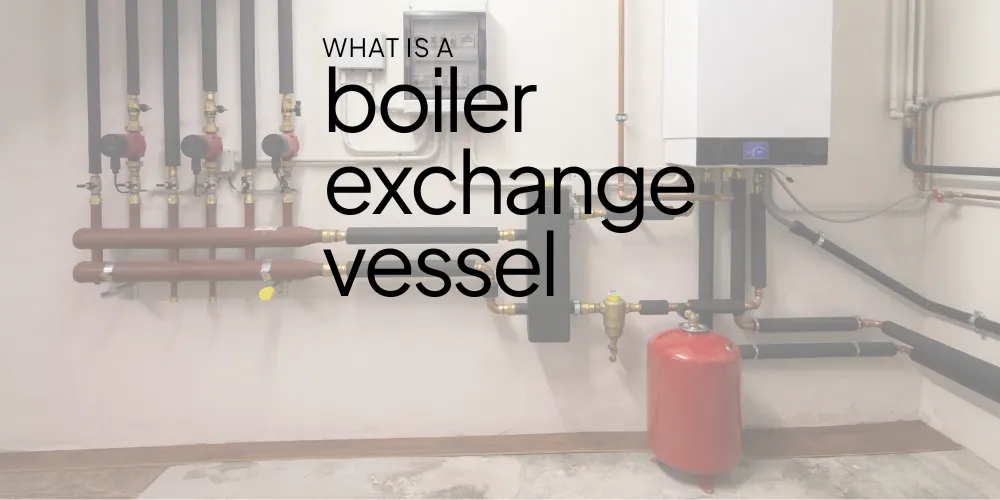


A boiler expansion vessel is a small tank that absorbs pressure changes in your sealed heating system. When water heats up, it expands. In a sealed system, that expanding water has nowhere to go—the expansion vessel provides the space it needs, preventing dangerous pressure build-up in your boiler and pipework.
The vessel sits either inside your boiler or mounted nearby on the wall. Inside, it contains a flexible rubber membrane or diaphragm that separates air from water. As heating water expands, it pushes against this membrane, compressing the air behind it. When water cools and contracts, the compressed air pushes back, maintaining stable system pressure.
How heating water changes as it warms
Water expands when heated—it’s simple physics. When your boiler heats water from cold to 60°C or 70°C, the volume increases by roughly 3% to 4%. In a typical three-bedroom house, that’s several litres of extra volume that needs accommodating.
This expansion happens every time your heating runs. Without somewhere for that extra volume to go, pressure would rise dangerously high, potentially damaging your boiler or causing leaks.
Why extra space is needed in sealed systems
Modern sealed heating systems are closed loops—no connection to external water supplies once filled and pressurised. Unlike older open-vented systems with header tanks in the loft, sealed systems can’t expand into an open tank.
The expansion vessel creates that necessary space within a sealed system. It acts as a pressure cushion, absorbing expansion and contraction throughout the heating cycle without allowing pressure to swing wildly.
How the vessel helps keep pressure stable
As water expands and flows into the vessel, the flexible membrane stretches and compresses the air behind it. This compressed air acts like a spring, pushing back gently against the water. The result is pressure that rises slightly when heating is on but stays within safe, stable limits.
When heating stops and water cools, the compressed air pushes water back out of the vessel, preventing pressure from dropping too low. This automatic pressure regulation happens continuously without any intervention from you.
- Preventing pressure problems
Without a working expansion vessel, system pressure would spike every time the heating runs. High pressure can trigger safety valves to discharge water, damage seals and joints, or stress the boiler’s heat exchanger. Low pressure when water cools means your boiler won’t operate at all.
The vessel prevents both extremes, keeping pressure in the narrow band your system needs—typically between 1.0 and 2.0 bar for most homes. - Protecting boiler components
Constant pressure fluctuations wear out boiler parts faster. Seals degrade, the heat exchanger suffers stress, and pumps work harder against unstable pressure. A properly functioning expansion vessel removes these pressure swings, extending the life of your boiler and reducing the likelihood of failures.
Think of it as shock absorption for your heating system. Without it, every heating cycle would hammer components with pressure changes. - Supporting consistent heating and hot water
Boilers operate best within specific pressure ranges. Too high or too low, and they either shut down for safety or run inefficiently. A working expansion vessel maintains the pressure your boiler needs to deliver consistent heat and hot water throughout the day.
You shouldn’t notice the vessel working—that’s the point. When it’s doing its job, your system pressure stays stable and your heating works reliably.
Internal expansion vessels
These sit inside the boiler casing as part of the unit. They’re typically smaller—often 6 to 12 litres—because combi boilers serve smaller systems. Internal vessels work well for typical homes but can’t be inspected without opening the boiler.
Engineers check internal vessels by testing system pressure behaviour and sometimes measuring the vessel’s pre-charge pressure through a valve accessible from outside the boiler.
External expansion vessels
External vessels range from 8 to 35 litres or more, depending on system size. Larger systems with multiple zones, underfloor heating, or big properties need bigger vessels to handle greater water volumes. External mounting makes them easier to check, maintain, and replace.
They’re mandatory for system and conventional boilers and optional for combis when the internal vessel proves too small.
Differences between sealed and older systems
Sealed systems—the standard since the 1990s—require expansion vessels because there’s no open tank to absorb pressure changes. Older open-vented systems with header tanks in the loft don’t need expansion vessels at all. The open tank naturally accommodates expansion.
If you’re upgrading from an open-vented to sealed system, you’ll need an expansion vessel added as part of the conversion.
- Pressure rising or dropping
If your boiler pressure gauge climbs above 2.5 bar when heating runs or drops below 0.5 bar when heating stops, the expansion vessel might not be working. Healthy systems show only small pressure changes—rising from perhaps 1.2 bar cold to 1.8 bar hot.
Large swings suggest the vessel isn’t absorbing expansion properly. - Boiler cutting out
Boilers shut down if pressure gets too high or too low. Frequent shutdowns, particularly if they happen shortly after the heating comes on, can indicate expansion vessel problems. You’ll see pressure-related fault codes on the display.
The boiler is protecting itself from damage, but the root cause needs addressing. - Frequent need to top up pressure
If you’re adding water to your heating system every week or two, something’s wrong. Failed expansion vessels can cause repeated pressure drops. Water gets pushed out through the pressure relief valve when the vessel can’t control pressure properly, and you end up topping up constantly.
One top-up after bleeding a radiator is normal. Regular top-ups suggest problems that need professional diagnosis.

Why engineers check the vessel
Expansion vessels can fail gradually. The internal membrane can puncture, the air charge can leak away, or corrosion can affect the vessel casing. Engineers test vessel function during servicing to catch these problems early.
They’ll check system pressure behaviour, test the vessel’s pre-charge pressure, and look for signs of failure like constant pressure drops or waterlogged vessels.
How issues are identified
Engineers use pressure gauges to check if the vessel is absorbing expansion correctly. They might drain the system slightly and check whether the vessel’s Schrader valve (like a bike tyre valve) releases air or water. Water coming out indicates the membrane has failed.
They’ll also look at service history—vessels that have failed before might need replacing sooner.
Benefits of regular servicing
Catching expansion vessel problems during annual servicing prevents sudden failures. Replacing a failing vessel proactively is less disruptive and often cheaper than emergency call-outs when your boiler stops working on the coldest day of winter.
Regular checks keep your system pressure stable, which protects all the other components from stress.
Expansion Vessel vs Pressure Relief Valve
The expansion vessel controls normal pressure changes during everyday heating cycles. The pressure relief valve is a safety device that only operates if pressure gets dangerously high—usually above 3 bar. It vents water to prevent damage.
They work together: the vessel handles routine pressure management, while the relief valve acts as a last-resort safety mechanism if something goes wrong. You never want your pressure relief valve to operate—it means something has failed.
Expansion Vessel vs Filling Loop
The filling loop is the external pipe with valves that lets you add water to your sealed system when pressure drops too low. It’s for manual topping up, not automatic pressure control.
The expansion vessel automatically manages pressure changes every time heating runs. The filling loop only gets used occasionally when you need to add water. They serve completely different functions and shouldn’t be confused.
Impact on boiler pressure
A failed expansion vessel can’t absorb expansion, so pressure swings wildly. You’ll see the gauge climb dangerously high when heating runs, then drop very low when heating stops. The boiler will shut down frequently to protect itself from these extremes.
In severe cases, the pressure relief valve opens repeatedly to vent excess pressure, and you’ll need constant top-ups to keep the system working at all.
Potential strain on the system
High pressure stresses every joint, seal, and component in your heating system. Repeated pressure spikes can cause leaks at radiator valves, pump seals, or the heat exchanger itself. What starts as an expansion vessel problem can escalate into expensive damage throughout the system.
Low pressure prevents your boiler operating, leaving you without heating or hot water.
Why professional attention is needed
Expansion vessel diagnosis and replacement requires professional knowledge and tools. Engineers can test whether the vessel has failed, determine the right replacement size, and fit it correctly. They’ll also check for any damage the failed vessel might have caused elsewhere in the system.
Attempting DIY fixes risks making things worse. Draining systems, removing vessels, and re-pressurising all need doing correctly to avoid further problems.
Expansion vessels work quietly in the background, managing pressure so effectively that most homeowners never think about them. They’re essential safety components in sealed heating systems, preventing the pressure problems that could damage your boiler or cause leaks throughout your home.
Regular professional servicing catches expansion vessel problems before they cause breakdowns. Qualified heating engineers know how to test, maintain, and replace these components, keeping your system pressure stable and your heating reliable year after year.